


Who Should Have Access to Body-Worn Camera Footage? Building Accountability Into Video Management

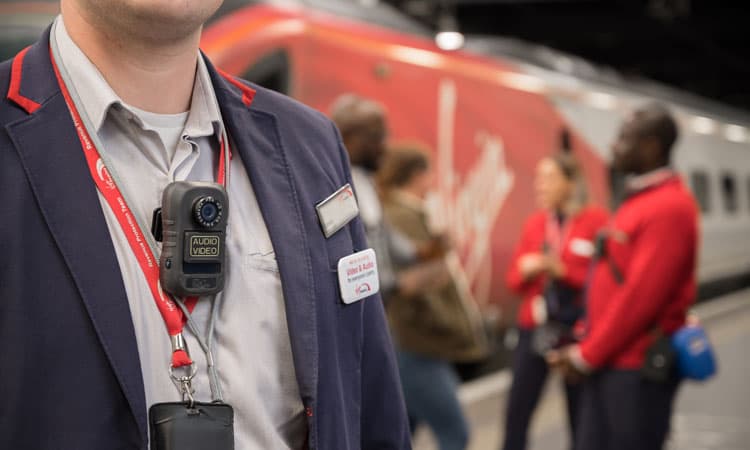
Body-worn cameras are increasingly used by organisations seeking to improve frontline safety, strengthen accountability and create reliable records of incidents.
However, capturing footage is only the beginning.
Once a recording has been created, organisations must consider an equally important question: who should be allowed to access it?
Body-worn video can contain sensitive personal information, private conversations and footage of potentially vulnerable individuals.
Without appropriate access controls and clearly defined responsibilities, organisations risk undermining the very transparency and accountability that body-worn cameras are intended to support.
Establishing effective footage governance is therefore an essential part of any professional body-worn video deployment.
Why Access Control Matters
Body-worn cameras are deployed in environments where employees interact directly with members of the public.
From healthcare and education to retail, transport and private security, recordings may capture information that requires careful handling.
A healthcare recording, for example, could include sensitive patient information, while footage captured by a security officer may involve members of the public who are not directly connected to an incident.
Simply having access to a body-worn camera system should not automatically mean an employee can view every recording.
Instead, organisations should determine who requires access, why access is necessary and what activities each authorised user should be permitted to perform.
This helps reduce unnecessary exposure of sensitive information and creates a more structured approach to managing footage.
Establishing Clear Roles and Responsibilities
Different employees may need access to body-worn video for different reasons.
A frontline employee may need to identify a recording associated with an incident they have reported.
A supervisor may require access to review footage as part of an internal investigation.
A compliance manager may need to oversee retention policies, while an authorised administrator may be responsible for managing system permissions.
These responsibilities should be clearly defined.
Organisations can establish different access levels according to operational requirements, ensuring employees only have the permissions necessary to carry out their duties.
This principle is commonly referred to as least-privilege access.
It helps limit unnecessary access while ensuring relevant personnel can retrieve recordings when legitimately required.
Pinnacle Response's Digital Evidence Management System (DEMS) supports password-controlled access levels, enabling organisations to manage permissions within their body-worn video environment.
Creating Accountability Through Audit Trails
Restricting access is important, but organisations should also be able to understand how footage has been handled.
For example, if a recording is accessed during an investigation, it may be necessary to establish who viewed it and whether it was subsequently shared.
An audit trail provides a record of activity associated with the management of digital evidence.
This can be particularly valuable when organisations need to review internal processes, investigate concerns or demonstrate that recordings have been handled appropriately.
Pinnacle Response DEMS provides searchable audit reporting covering activities including user access, viewing, editing and sharing.
These records help organisations maintain oversight of footage management and support accountability throughout the process.
Importantly, audit trails are not simply a technical feature.
They are part of a wider governance framework that helps organisations establish clear responsibilities for the handling of recorded information.
Managing Requests to View or Share Footage
Organisations may receive requests for body-worn video from a variety of sources.
These could include internal investigation teams, legal representatives, law enforcement agencies or individuals exercising their data protection rights.
However, not every request automatically justifies disclosure.
Before footage is shared, organisations must consider whether the request is legitimate, whether disclosure is lawful and whether the recording contains information relating to other individuals.
For example, a recording may include several people, some of whom are not connected to the reason the footage has been requested.
Additional safeguards, such as redaction, may therefore be necessary before disclosure.
Clear procedures should establish who is authorised to approve requests, how decisions are documented and how recordings are transferred securely.
Pinnacle Response DEMS supports audit-controlled evidence sharing, allowing organisations to manage authorised exchanges of footage.
The responsibility for determining whether a particular disclosure is lawful remains with the organisation handling the information.
Understanding Data Protection Responsibilities
Body-worn video systems can process personal data and must be operated in accordance with applicable data protection requirements.
For UK organisations, these may include obligations under the UK General Data Protection Regulation and the Data Protection Act 2018.
The Information Commissioner's Office (ICO) provides guidance on the use of body-worn video, including the importance of appropriate security measures, transparent processing and effective information governance.
Organisations should consider how footage is collected, who can access it, how long it is retained and the circumstances in which it may be disclosed.
They should also assess the privacy risks associated with their deployments and undertake a Data Protection Impact Assessment where required.
These responsibilities should be addressed through organisational policies, staff training and appropriate technical safeguards.
A secure body-worn video platform can support these processes, but technology alone does not establish legal compliance.
Why Footage Retention Needs Clear Rules
Access control is closely connected to another important consideration: how long recordings should be retained.
Not every body-worn camera recording needs to be stored indefinitely.
Some footage may relate to routine interactions where no further action is required, while other recordings may need to be preserved for an investigation or legal proceedings.
Organisations should establish retention periods based on the purpose for which footage was collected and any applicable legal obligations.
The ICO explains that UK data protection legislation does not prescribe one universal retention period for surveillance footage. Instead, organisations must determine how long the information is necessary for its intended purpose.
Pinnacle Response DEMS supports configurable retention periods and automatic deletion of non-evidential recordings following the defined period.
Footage designated as evidential can be securely retained where required.
This helps organisations manage recordings according to established policies rather than relying on inconsistent manual processes.
Building a Culture of Responsible Video Management
Effective footage governance requires more than restricting access through software.
Employees must also understand their responsibilities when handling recorded information.
Organisations should establish clear procedures explaining when footage can be reviewed, who can authorise disclosure and how concerns about inappropriate access should be reported.
Regular training can reinforce these expectations, particularly for employees who have access to sensitive recordings as part of their responsibilities.
Policies should also be reviewed periodically to ensure they remain appropriate as operational requirements change.
By combining clear responsibilities, effective training and suitable technology, organisations can establish a more accountable approach to managing body-worn video.
How Pinnacle Response Supports Secure Footage Management
Pinnacle Response designs and manufactures professional body-worn cameras alongside its Digital Evidence Management System.
DEMS provides a central environment for managing footage captured through compatible Pinnacle Response cameras.
Its capabilities include controlled user access, searchable audit trails, metadata tagging, configurable retention periods and secure evidence sharing.
The platform also supports the integrity of original recordings through hash-based verification and the retention of encrypted master files.
For organisations managing body-worn video across frontline operations, these features provide tools to support consistent footage-handling procedures and organisational oversight.
Accountability Doesn't End When Recording Stops
Body-worn cameras can help organisations establish what happened during an incident, but the responsibilities associated with that recording continue long after the camera has been switched off.
Controlling access, maintaining audit trails, managing retention and establishing clear disclosure procedures are all essential elements of responsible video management.
For organisations investing in body-worn camera technology, these considerations should be part of the deployment strategy from the outset.
Ultimately, effective body-worn video management is not simply about ensuring footage is available.
It is about ensuring the right people can access the right information, for legitimate reasons, while maintaining security, transparency and accountability.
Discover how Pinnacle Response's body-worn cameras and Digital Evidence Management System can support your organisation's footage management requirements. Contact our team to learn more:
Tel: +44(0)2895320222
Email: sales@pinnacleresponse.com
- access-to-footage