


When Should You Record? Establishing Clear Body-Worn Camera Activation Policies

Introducing body-worn cameras into an organisation involves more than selecting the right equipment.
While recording quality, battery performance and durability are important, the effectiveness of any deployment also depends on how cameras are used in everyday situations.
One of the most important questions organisations must address is straightforward: When should employees activate their body-worn cameras?
Without clear guidance, recording practices can become inconsistent, creating uncertainty for frontline staff and potential challenges when incidents are reviewed.
A well-defined activation policy helps ensure body-worn video is used appropriately, consistently and in line with organisational responsibilities.
Why Camera Activation Policies Matter
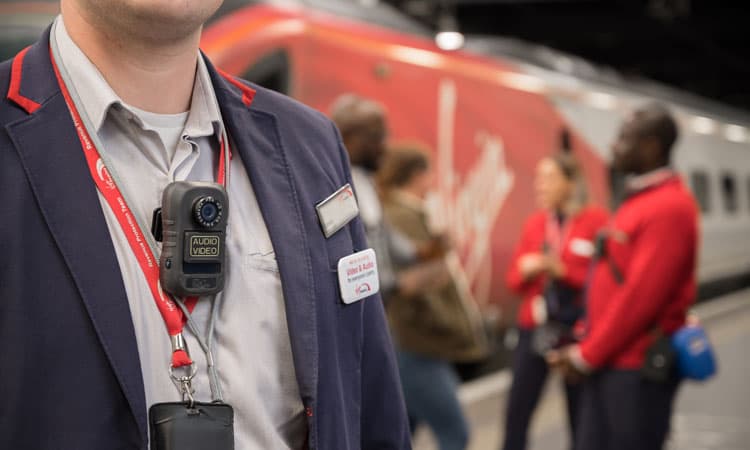
Body-worn cameras are used across a wide range of professional environments, including healthcare, retail, transport, private security and local government.
Each sector presents different operational challenges, and the circumstances in which recording may be appropriate can vary significantly.
For example, a security officer responding to a confrontation may have different recording requirements from a healthcare employee working in an environment where sensitive personal information is routinely discussed.
Without clear policies, employees may be left to make difficult decisions without sufficient guidance.
Some may activate their cameras too late to capture relevant information, while others may record in situations where doing so is unnecessary or inappropriate.
An effective activation policy establishes clear expectations and helps employees understand their responsibilities.
Defining When Recording Should Begin
A central part of any body-worn camera policy is identifying the circumstances that justify activation.
These may include situations involving threatening behaviour, escalating disputes, safety concerns or incidents requiring formal reporting.
However, organisations should avoid assuming that every interaction requires recording.
The appropriate approach depends on the purpose of the deployment, the working environment and relevant legal and privacy obligations.
Policies should clearly explain the situations in which recording is expected, when employees have discretion and what steps should be taken when circumstances change.
This helps create greater consistency across teams and reduces uncertainty during potentially stressful incidents.
Balancing Recording Requirements with Privacy
Body-worn cameras can capture sensitive information, particularly in environments such as hospitals, educational institutions and public-facing government services.
Organisations must therefore consider the privacy implications of recording individuals who may not be directly involved in an incident.
In the UK, the use of body-worn video can involve obligations under data protection legislation, including the UK GDPR and Data Protection Act 2018, depending on the circumstances and purpose of processing.
Organisations should establish a lawful basis for recording, provide appropriate privacy information and ensure that recording is necessary and proportionate.
This may require particular consideration in sensitive environments or when dealing with vulnerable individuals.
Clear policies should also address when recording should stop, how staff communicate that recording is taking place and how requests or objections are handled.
These considerations help ensure body-worn cameras are used responsibly rather than indiscriminately.
The Importance of Staff Training
Even a carefully developed policy will have limited value if employees do not understand how to apply it.
Training should therefore form an essential part of any body-worn camera deployment.
Staff need to understand not only how to operate the equipment but also when recording is appropriate and what responsibilities arise once footage has been captured.
Practical scenarios can be particularly useful.
For example, employees may need guidance on how to respond when an interaction becomes confrontational, when recording could capture sensitive information or when an incident develops unexpectedly.
Training should also explain how to document relevant incidents and what procedures must be followed after recording.
By establishing clear expectations, organisations can help employees make more confident and consistent decisions.
How Camera Features Can Support Activation Policies
Although organisational policies determine when recording should take place, camera functionality can support employees in following those procedures.
For example, pre-recording capabilities can help capture limited footage immediately before a recording is activated, where the feature is enabled and configured appropriately.
This may provide additional context when an incident develops quickly.
Pinnacle Response's PR7 range and PR8 include pre-recording functionality, giving organisations an additional option when planning how cameras should be deployed.
Ease of activation is another important consideration.
Frontline employees may need to begin recording while managing a difficult interaction, making intuitive camera operation particularly valuable.
However, technology should support clearly defined policies rather than replace them.
Establishing Consistency Across Different Teams
Larger organisations may deploy body-worn cameras across several departments, locations or operational roles.
A transport operator, for example, may have station staff, onboard employees and security teams using cameras in different circumstances.
Similarly, a local authority may deploy body-worn video across enforcement, waste management and other public-facing services.
While the circumstances may differ, organisations should aim to establish a consistent framework for recording decisions.
This could include common principles around activation, notification, incident reporting, footage retention and access permissions, with role-specific guidance where necessary.
Consistency helps employees understand expectations and makes it easier for managers to review whether policies are being followed.
Reviewing and Improving Recording Policies
Body-worn camera policies should not remain unchanged indefinitely.
Operational requirements can evolve, new working practices may emerge and organisations may identify areas where additional guidance is needed.
Regular policy reviews provide an opportunity to assess whether existing procedures remain appropriate.
Feedback from frontline employees, incident reviews and changes in relevant guidance can all help inform improvements.
Organisations should also ensure that policies reflect how footage is managed after recording, including access permissions, retention requirements and secure sharing procedures.
Pinnacle Response's Digital Evidence Management System supports these wider responsibilities through controlled access, audit trails and configurable retention settings.
Creating Confidence Through Clear Procedures
Body-worn cameras can provide valuable support to frontline organisations, but their effectiveness depends on more than the technology itself.
Clear activation policies help employees understand when to record, how to respond to sensitive situations and what responsibilities they have when handling recorded information.
By combining appropriate equipment with effective training, transparent procedures and secure footage management, organisations can develop a more consistent and accountable approach to body-worn video.
To learn more about Pinnacle Response's professional body-worn cameras and Digital Evidence Management System, contact our team to discuss your organisation's requirements:
Tel: +44(0)2895320222
Email: sales@pinnacleresponse.com
- when-should-you-record