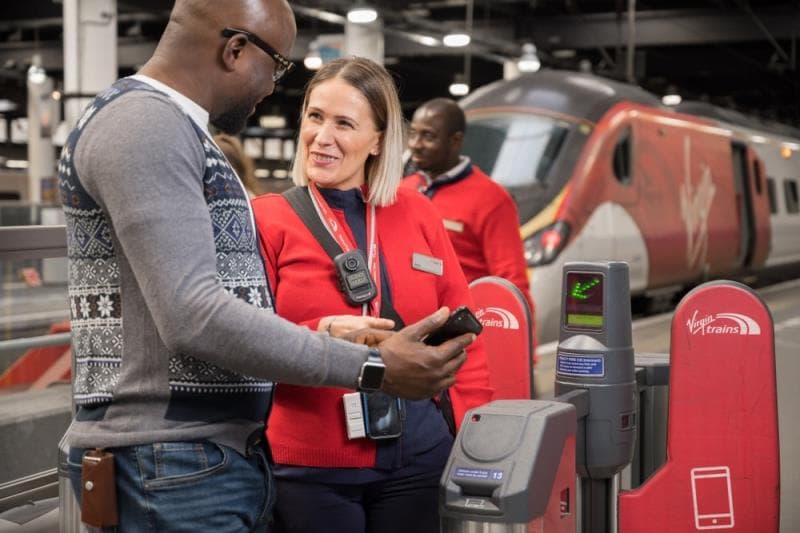



Keeping the UK Rail Network Safe: How Train Operating Companies Use Body Cameras
.png)
How Body-Worn Cameras Support UK Rail Safety
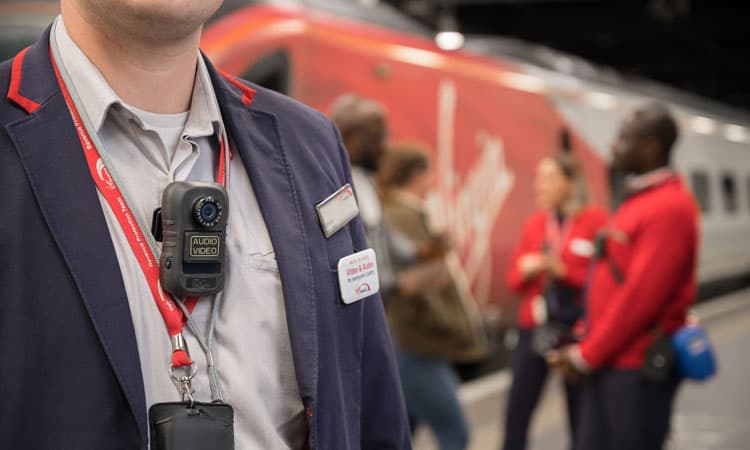
Train Operating Companies (TOCs) across the UK operate in fast-paced, high-volume environments where staff regularly interact with thousands of passengers. From busy stations to onboard services, ensuring safety, professionalism, and accountability is critical. Body-worn cameras have become an essential tool in helping rail operators meet these demands.
Managing Challenging Passenger Interactions
Rail staff frequently deal with challenging situations, including fare disputes, anti-social behaviour, and service disruptions.
Body cameras provide an objective record of these interactions, helping to de-escalate incidents before they escalate further. The visible presence of a camera often acts as a deterrent, encouraging more respectful behaviour from passengers.
Supporting Incident Reporting and Investigations
Beyond deterrence, recorded footage plays a vital role in incident reporting and investigations.
Instead of relying solely on written statements, operators have access to clear, time-stamped video evidence. This supports faster, more accurate decision-making and ensures that incidents are handled fairly and transparently.
Protecting Staff from False Complaints
Body-worn cameras also protect staff from false complaints. In a customer-facing environment like rail, misunderstandings can occur.
Having video evidence ensures that staff actions can be verified, giving both employees and management confidence in the outcome of any review.
How Pinnacle Response Supports Rail Operators
Pinnacle Response cameras are used across hundreds of rail sites in the UK, supporting TOCs in maintaining safety standards and improving the passenger experience.
By combining reliable hardware with secure evidence management, they enable rail operators to deliver services with greater confidence and accountability.
(4).png)
.jpg)
.png)
.png)

.png)

.png)