



From Recording to Resolution: Why Managing Body-Worn Camera Footage Matters as Much as Capturing It

Pressing the record button is only the beginning of the body-worn video process.
Once footage has been captured, organisations need to consider what happens to it next. How is it uploaded? Who can access it? How is it found again? How long should it be retained? And how can footage be shared without compromising the integrity of the original recording?
For organisations deploying body-worn cameras at scale, these questions make effective digital evidence management a fundamental part of the overall solution.
The journey doesn't end at the camera
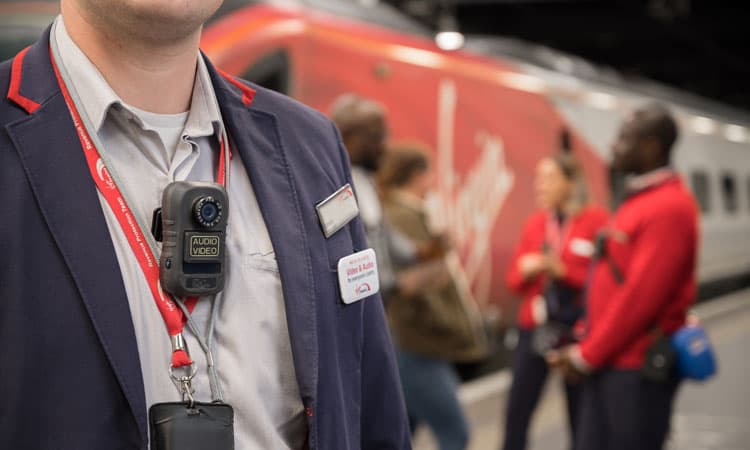
A body-worn camera can create an objective audio-visual record of an incident, but that recording only becomes operationally useful when it can be securely managed.
Depending on the organisation, a recording might need to be reviewed by a manager, associated with an incident, retained as evidence or securely shared with an authorised third party.
Without an effective system for managing this process, growing volumes of footage can quickly become difficult to administer.
Pinnacle Response developed its Digital Evidence Management System (DEMS) to provide an integrated environment for managing footage captured using its body-worn cameras.
Maintaining the integrity of the original recording
Evidential integrity is particularly important when footage may be required to support an investigation or judicial process.
Pinnacle Response DEMS retains an encrypted master file of the original video or asset and uses hash-based verification to help ensure its integrity.
Users can also generate standalone clips from selected points within footage while retaining the associated metadata and tags and maintaining the integrity of the original recording.
This provides organisations with the flexibility to work with relevant sections of footage without altering the master asset.
Finding the right footage
As a body-worn camera deployment grows, so does the volume of footage being generated.
Being able to locate a particular recording efficiently therefore becomes increasingly important.
DEMS automatically associates video metadata including the user, camera serial number and date and time information. Footage can also be manually tagged using configurable categories, case references or incident IDs depending on organisational requirements.
Search functionality then allows authorised users to find and review recordings using relevant criteria.
The result is a more structured approach than simply storing large quantities of video files.
Controlling who has access
Body-worn video can contain sensitive information, making access control an important consideration.
DEMS supports password-controlled access levels, allowing organisations to manage who can access the system and what authorised users are able to do.
The platform also provides searchable reporting covering user access, viewing, editing and sharing activity.
This creates an audit trail around the handling of footage and provides greater accountability throughout the evidence-management process.
Managing retention
Not every recording needs to be retained indefinitely.
DEMS allows configurable retention periods to be established, with non-evidential files capable of being automatically deleted following the required retention period.
Footage identified as evidential can instead be securely retained as required.
A structured retention process can help organisations manage their body-worn video estate while applying their own policies and operational requirements consistently.
Securely sharing evidence
There are circumstances where footage needs to leave the immediate organisation.
Rather than relying on uncontrolled methods of transferring video files, DEMS enables evidence to be shared with external parties through an audit-controlled exchange.
The system also supports secure data transfer protocols and maintains records of activity surrounding the footage.
This helps preserve accountability as recordings move through the review or evidential process.
From camera to complete evidence management
The effectiveness of a body-worn camera programme should not be judged solely by the specifications of the camera.
Organisations also need to consider the complete lifecycle of the footage they create.
Pinnacle Response combines its body-worn camera range with DEMS to provide an integrated approach covering capture, upload, storage, management, review and secure sharing.
For organisations considering body-worn video, asking what happens after recording stops can therefore be every bit as important as choosing the camera itself.
If you would like to discover more about Pinnacle Responses DEMS and how our integrated Body-Worn Camera solutions can help your organisation securely manage footage from capture through to evidential use, contact us for more information.
Tel: +44(0)2895320222
Email: sales@pinnacleresponse.com
- from-recording-to-resolution


(4).png)

.jpg)
.png)
.png)

.png)

.png)