


From Front Line to Control Room: Rethinking How Organisations Respond to Developing Incidents
When an incident develops on the front line, the people responsible for managing the response are not always there to see it.
A security officer may be working across a large site. A transport employee could be dealing with an incident away from colleagues. A member of a facilities or local authority team may be working remotely.
In situations like these, supervisors and control rooms often depend on information being relayed from the scene.
But as body-worn video technology becomes increasingly connected, organisations can start thinking differently about how information moves between frontline employees and the people supporting them.
The challenge of managing an incident remotely
Communication is fundamental to incident response.
Traditionally, a member of staff experiencing a developing situation might contact a supervisor or control room and describe what is happening.
That information can be extremely valuable, but the person receiving it is still dependent on somebody else's description of the situation.
How many people are involved? Is the situation escalating? What is happening around the employee? Is additional support required?
For organisations with employees operating remotely, across multiple sites or over large geographical areas, establishing an accurate picture quickly can be challenging.
Connected body-worn video can provide another source of information.
Giving authorised teams greater visibility
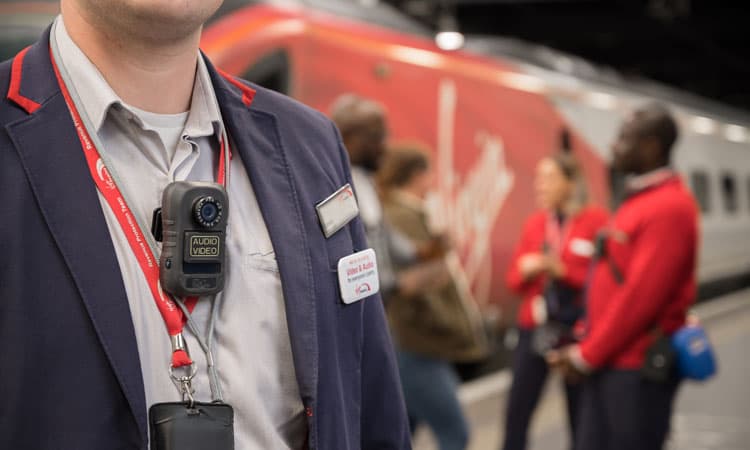
Body-worn cameras have traditionally been associated with recording incidents for subsequent review.
That remains an important function, but connected devices can extend the role of the camera beyond recording alone.
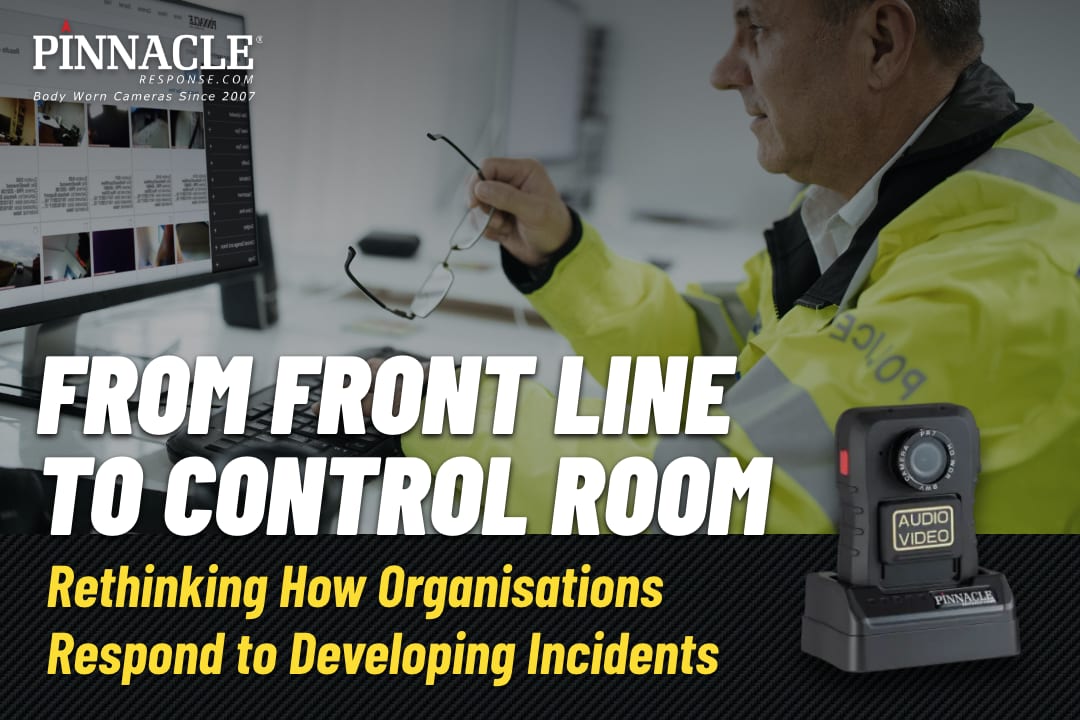
The Pinnacle Response PR8 includes 4G live streaming, allowing authorised personnel to view footage from the camera while an incident is taking place.
Instead of relying solely on a verbal account, a control room or authorised supervisor can potentially see what the camera wearer is seeing.
This additional visibility can help those responsible for managing an incident develop a clearer understanding of events on the ground.
Supporting communication from the front line
Visibility is only one part of the information flow.
The PR8 also incorporates push-to-talk functionality, providing another communications capability within the body-worn device.
For organisations considering connected body-worn technology, the important point is not simply the number of functions available on a camera.
It is how those capabilities fit into the organisation's wider approach to frontline communication and incident management.
A body-worn camera can therefore become part of a connected operational system rather than functioning solely as a device that records an interaction.
Better information can support better-informed responses
Every incident is different, and technology does not replace established procedures, experienced personnel or effective decision-making.
What it can do is provide additional information.
Where live video is available to appropriately authorised personnel, supervisors may have greater situational awareness when deciding what response is required.
Depending on the circumstances, that could help an organisation understand whether additional personnel may be needed, establish the nature of an incident or maintain oversight while events continue to develop.
For employees working remotely or away from immediate supervision, this connection between the front line and the wider organisation can also provide an additional layer of operational support.
Real-time information and the post-incident record
The value of body-worn video does not end when the immediate situation has been resolved.
The recording can subsequently form part of the organisation's incident record.
Pinnacle Response body-worn cameras integrate with our Digital Evidence Management System (DEMS), providing a secure environment for authorised users to manage footage after it has been captured.
DEMS supports functions including metadata tagging, search and review, controlled access, audit trails, retention management and secure sharing.
This means organisations can consider two distinct requirements as part of the same overall body-worn video strategy: access to information during an incident and secure management of the recording afterwards.
Connecting the people who need information
Body-worn video has long provided organisations with an objective record of frontline interactions.
Connected technology expands the possibilities.
For organisations where employees work remotely, across large sites or in situations where incidents can develop quickly, the question may no longer simply be: What will the camera record?
It may also be: Who needs access to information when an incident is actually happening?
By connecting frontline personnel with authorised supervisors and control rooms, body-worn technology can become part of a broader approach to communication, situational awareness and incident response.
Pinnacle Response designs and manufactures professional body-worn video solutions for organisations across a wide range of frontline sectors.
To discuss the PR8, live streaming or your organisation's wider body-worn video requirements, contact Pinnacle Response for more information.
Tel: +44(0)2895320222
Email: sales@pinnacleresponse.com
- front-line-to-control-room