



Body-Worn Cameras Are Not Just About Recording: 6 Ways They Can Improve Frontline Operations

When organisations first consider body-worn cameras, the conversation often begins with recording incidents.
That is understandable. Creating an objective audio-visual record of an interaction is one of the fundamental benefits of body-worn video.
But for organisations deploying cameras across frontline teams, the potential value extends much further.
Used as part of a well-planned operational strategy, body-worn cameras can support incident management, improve the information available to managers, strengthen accountability and make it easier to manage footage after an event.
Here are six areas organisations should consider.
1. Giving frontline staff a clear record of an incident
Frontline employees frequently work in situations where events can unfold quickly.
Whether dealing with a difficult customer, enforcing a rule, responding to an incident or working in a potentially confrontational environment, employees may later be required to explain exactly what happened.
Written reports and personal recollections remain important, but body-worn video provides an additional source of information.
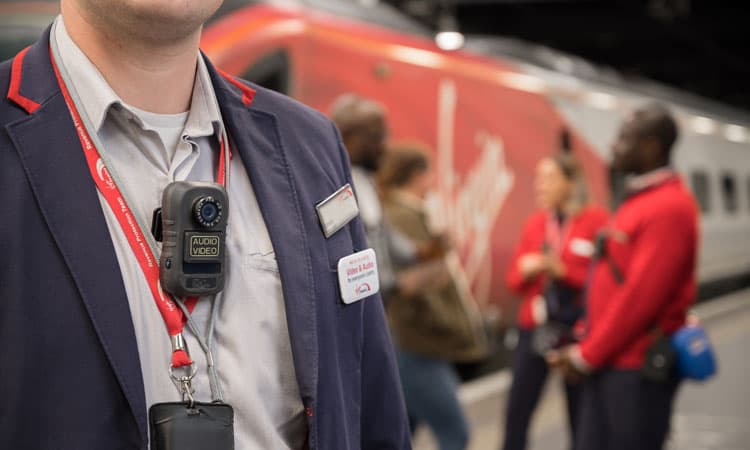
When activated appropriately, the camera can capture both video and audio from the wearer's perspective, helping create a clearer record of the sequence of events.
This can give managers valuable context when an incident subsequently needs to be reviewed.
2. Helping managers establish what happened
An incident rarely ends when the immediate situation is resolved.
There may be an internal investigation, a complaint, a health and safety review or a request for further information.
Without video, managers may need to piece together events from written reports, witness accounts and other available information.
Body-worn video can add an objective record to that process.
Rather than relying solely on differing recollections, authorised managers can review relevant footage and gain a better understanding of what occurred.
This can support more informed and transparent decision-making after an incident.
3. Creating more structured incident records
As the number of cameras within an organisation grows, simply capturing video is not enough.
Recordings need to be identifiable and retrievable.
Pinnacle Response's Digital Evidence Management System (DEMS) automatically associates metadata with footage, including the user, camera serial number and date and time information.
Recordings can also be manually tagged with configurable categories, case references or incident IDs.
This enables organisations to create a more structured record around body-worn video rather than treating footage as a collection of individual video files.
4. Improving accountability around footage
Body-worn video can contain sensitive information, so accountability needs to continue after the camera has stopped recording.
Organisations should know who can access footage and how it has been handled.
Pinnacle Response DEMS provides controlled access levels alongside searchable reporting on activities including accessing, viewing, editing and sharing footage.
This creates an audit trail around the recording.
For organisations operating across multiple teams or locations, this can be particularly important. The organisation can maintain oversight of how footage is being managed while controlling access according to operational requirements.
5. Getting critical information to the right people
Some operational environments require more than retrospective incident review.
There may be situations where control rooms, supervisors or other authorised personnel need greater visibility of an incident while it is taking place.
The Pinnacle Response PR8 provides 4G live streaming alongside 4G uploading, push-to-talk and SOS functionality.
This creates additional possibilities for organisations whose employees operate remotely, across large sites or in higher-risk environments.
Rather than viewing a body-worn camera solely as a device that stores video for later review, connected functionality can make it part of a wider communications and incident-response strategy.
Not every organisation or role will require these capabilities, which is why the operational requirement should determine the technology selected.
6. Making evidence easier to manage after the event
Recording footage is valuable only if organisations can manage it effectively afterwards.
A particular recording may need to be found, reviewed, retained, clipped or securely shared with an authorised third party.
DEMS provides search and review functionality, configurable retention periods and the ability to create standalone clips while retaining associated metadata and maintaining the integrity of the original recording.
Evidence can also be shared externally through an audit-controlled process.
These capabilities help connect what happens on the frontline with what needs to happen afterwards.
Look beyond the record button
A body-worn camera should not be considered in isolation.
The camera is one part of a wider process involving the employee wearing it, the operational procedures surrounding its use and the system used to manage the footage it creates.
That is why organisations evaluating body-worn video should look beyond headline specifications and ask how the complete solution will fit into their existing operations.
Pinnacle Response designs and manufactures professional body-worn cameras for organisations across healthcare, transport, retail, local government, private security, facilities management and other frontline sectors.
Our camera range integrates with our secure Digital Evidence Management System, providing organisations with a complete approach to capturing, managing, reviewing and sharing body-worn video.
Looking at Body-Worn Cameras for your frontline teams? Contact us to discuss how the right combination of camera technology and evidence management can support your operational requirements.
Tel: +44(0)2895320222
Email: sales@pinnacleresponse.com
- body-worn-cameras-are-not-just-about-recording-6-ways-they-can-improve-frontline-operations.

(4).png)
.jpg)
.png)
.png)

.png)

.png)